Tiếng việt
  English
 فارسی
فارسی français
 русский
 italiano
 español
 português
 Indonesia
 हिन्दी
Tel : +86 17359287459
E-mail : sales9@apterpower.com
Tel : +86 17359287459
E-mail : sales9@apterpower.com
Trong các môi trường công nghiệp nơi tủ biến tần được đặt tại các khu vực nguy hiểm hoặc điều kiện khắc nghiệt, việc đặt bộ điều khiển từ xa không chỉ là một lợi thế — mà còn là một sự cần thiết. Đáp ứng nhu cầu này, ABB đã mang đến RDCU-12 3AUA0000036521 Bộ Điều Khiển Biến Tần Từ Xa lên vị trí hàng đầu trong danh mục tự động hóa biến tần của mình. Được thiết kế như một mô-đun điều khiển từ xa chuyên dụng, RDCU-12 cho phép "bộ não" của biến tần được tách biệt vật lý khỏi phần công suất, mở ra những khả năng mới cho kiến trúc hệ thống và an toàn bảo trì.
ABB RDCU-12 (3AUA0000036521) là một Bộ Điều Khiển Biến Tần Từ Xa được thiết kế đặc biệt để sử dụng với các nền tảng biến tần dạng mô-đun của ABB, đặc biệt là ACS800 và các dòng tương tự. Không giống như bộ điều khiển tiêu chuẩn được gắn trực tiếp trên khung biến tần, RDCU-12 được thiết kế để lắp đặt trong tủ điện từ xa.
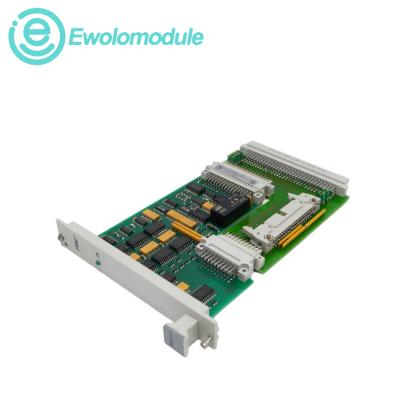
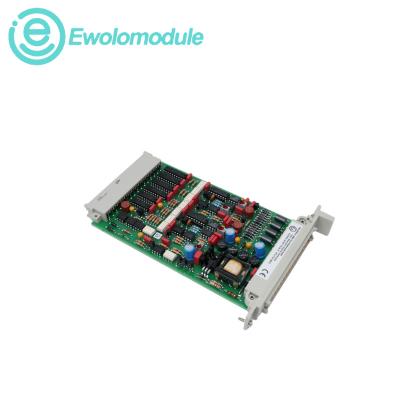
Về mặt vật lý, đây là một mô-đun cấp bảng mạch nhỏ gọn chứa logic điều khiển chính của biến tần, bao gồm bộ vi xử lý, giao diện I/O và các cổng truyền thông. Nó kết nối với bộ nguồn của biến tần thông qua cáp quang, cung cấp cả khả năng truyền tín hiệu tốc độ cao và cách ly điện. RDCU-12 thường được lắp đặt trong một tủ điều khiển điện áp thấp riêng biệt, cách xa tủ biến tần chính, nơi chứa bộ chỉnh lưu, liên kết DC và mô-đun biến tần IGBT.
Như một nhà cung cấp mô tả, RDCU-12 hoạt động như một "bộ não từ xa" thực hiện tất cả các thuật toán điều khiển động cơ, chẳng hạn như Điều Khiển Mô-men Xoắn Trực Tiếp (DTC) trong khi bộ nguồn vẫn ở gần động cơ trong môi trường khắc nghiệt hơn.
1: Sản xuất chính xác
Trong ngành kéo sợi dệt và sản xuất giấy, tốc độ động cơ phải được duy trì trong phạm vi dung sai cực kỳ chặt chẽ. Sự thay đổi tốc độ dù chỉ 0,5% cũng có thể tạo ra sợi có độ dày không đồng nhất hoặc giấy có lớp phủ không đều — dẫn đến sản phẩm bị loại bỏ và lãng phí nguyên liệu thô.
Và RDCU-12C Các thông số kỹ thuật đáp ứng nhu cầu này: Độ phân giải đầu vào analog 12-bit của mô-đun trên kênh ±10V cung cấp 4.096 bước đo rời rạc trên toàn dải điện áp. Khi giám sát một biến số quy trình quan trọng — chẳng hạn như phản hồi lực căng từ con lăn dancer — độ phân giải này cho phép thuật toán điều khiển phát hiện các biến đổi nhỏ tới 0,024% toàn thang đo.
Kết hợp với bộ lọc phần cứng 1ms trên 7 đầu vào kỹ thuật số, RDCU-12C có thể phản hồi các tín hiệu công tắc vị trí hoặc bộ mã hóa với độ trễ gần như bằng không. Trong ứng dụng máy kéo sợi, điều này cho phép biến tần duy trì tốc độ động cơ trong phạm vi ±0,1% so với điểm đặt — mức độ chính xác giúp cải thiện trực tiếp chất lượng sợi và giảm thiểu lỗi.
Các đầu vào kỹ thuật số được cách ly điện (được cách ly theo nhóm, có thể chia thành hai nhóm) cũng đóng một vai trò quan trọng ở đây. Các nhà máy dệt chứa đầy tĩnh điện từ các sợi tổng hợp di chuyển ở tốc độ cao. Sự cách ly này ngăn chặn các phóng tĩnh điện làm hỏng tín hiệu điều khiển hoặc làm hỏng bộ xử lý — một điểm lỗi phổ biến ở các bộ điều khiển kém chất lượng hơn.
2: Xử lý Nước & Nước thải (Điều khiển Bơm)
Các cơ sở xử lý nước phải duy trì lưu lượng và mức áp suất ổn định trong khi giảm thiểu tiêu thụ năng lượng. Lưu lượng thay đổi đáng kể giữa ngày và đêm, đòi hỏi phải điều chỉnh liên tục.
RDCU-12C Các thông số kỹ thuật đáp ứng nhu cầu này: Hai đầu ra analog 0-20mA với độ phân giải 10-bit cung cấp 1.024 bước đầu ra rời rạc để điều khiển tốc độ bơm thông qua biến tần. Độ phân giải này cho phép điều chỉnh tốc độ mượt mà, chi tiết thay vì thay đổi đột ngột, từng bước có thể gây ra hiện tượng tăng áp (búa nước) trong đường ống.
Ba đầu ra rơ-le định mức 2A cho 250V AC có thể điều khiển trực tiếp các thiết bị phụ trợ như: Bộ truyền động van bypass, Thiết bị báo động, Công tắc tơ bơm dự phòng. Cổng truyền thông nối tiếp RS-485 hỗ trợ Modbus RTU cho phép RDCU-12C truyền dữ liệu vận hành thời gian thực — dòng điện động cơ, tốc độ, giờ chạy, mã lỗi — về hệ thống SCADA trung tâm. Người vận hành nhà máy có thể giám sát hiệu suất bơm và lên lịch bảo trì dựa trên thời gian chạy thực tế thay vì lịch trình tùy ý.
Một ứng dụng được ghi nhận tại một nhà máy phát điện lớn đã sử dụng RDCU-12C để điều khiển tốc độ quạt làm mát dựa trên các cảm biến nhiệt độ máy phát điện. Thiết bị nhận dữ liệu nhiệt độ analog thông qua các đầu vào của nó, điều chỉnh tốc độ quạt trong thời gian thực và giảm tiêu thụ năng lượng trong khi vẫn duy trì nhiệt độ vận hành tối ưu.
RDCU-12C chiếm một vị trí quan trọng trong hệ thống phân cấp tự động hóa. Như một mô tả kỹ thuật lưu ý, nó nằm ở Cấp 1 (Thiết bị) hoặc Cấp 2 (Điều khiển) của Mô hình Purdue cho các hệ thống điều khiển công nghiệp. Đây là giao diện giữa động cơ vật lý (tiêu thụ năng lượng và thực hiện công việc) và các hệ thống điều khiển kỹ thuật số điều hành hoạt động của nhà máy.
1. Độ tin cậy đã được kiểm chứng tại hiện trường: Nền tảng ACS800 đã được lắp đặt trong hàng trăm nghìn ứng dụng trên toàn thế giới. RDCU-12C được hưởng lợi từ hàng thập kỷ cải tiến cả về phần cứng và phần sụn.
2. Bảo vệ đầu tư: Đối với các cơ sở có sẵn biến tần ACS800, việc thay thế một bộ điều khiển bị lỗi bằng một RDCU-12C giống hệt không yêu cầu thay đổi lập trình, không sửa đổi hệ thống dây điện và không cần đào tạo lại nhân viên bảo trì.
3. Độ chính xác không phức tạp: Độ phân giải analog 12-bit và bộ lọc đầu vào kỹ thuật số 1ms cung cấp độ chính xác cần thiết cho các ứng dụng đòi hỏi khắt khe mà không cần thiết bị điều hòa tín hiệu bên ngoài đắt tiền.
Số liên lạc/email
Quản lý kinh doanh: Yuki Huang
WhatsApp: +86-17359287459
Email: sales6@askplc.com
Hãy đọc tiếp, theo dõi thông tin, đăng ký và chúng tôi hoan nghênh bạn cho chúng tôi biết suy nghĩ của bạn.



© 2026 Moore Automation Limited Tất cả quyền được bảo lưu.
 mạng được hỗ trợ
Tuyên bố miễn trừ trách nhiệm: Ewolomodule bán các sản phẩm mới và sản phẩm dư thừa và phát triển các kênh để mua các sản phẩm như vậy. Trang web này chưa được bất kỳ nhà sản xuất hoặc nhãn hiệu nào được liệt kê chấp thuận hoặc công nhận. Ewolomodule không phải là nhà phân phối, đại lý hoặc đại diện được ủy quyền của các sản phẩm được hiển thị trên trang web này. Tất cả tên sản phẩm, nhãn hiệu, thương hiệu và logo được sử dụng trên trang web này đều là tài sản của chủ sở hữu tương ứng. Mô tả, giải thích hoặc bán các sản phẩm có tên, nhãn hiệu, thương hiệu và logo này chỉ nhằm mục đích nhận dạng và không nhằm mục đích chỉ ra bất kỳ mối liên hệ nào với hoặc ủy quyền từ bất kỳ chủ sở hữu quyền nào.
 Liên hệ với chúng tôi